Email: aidankorpar@gmail.com | LinkedIn: linkedin.com/in/aidan-korpar
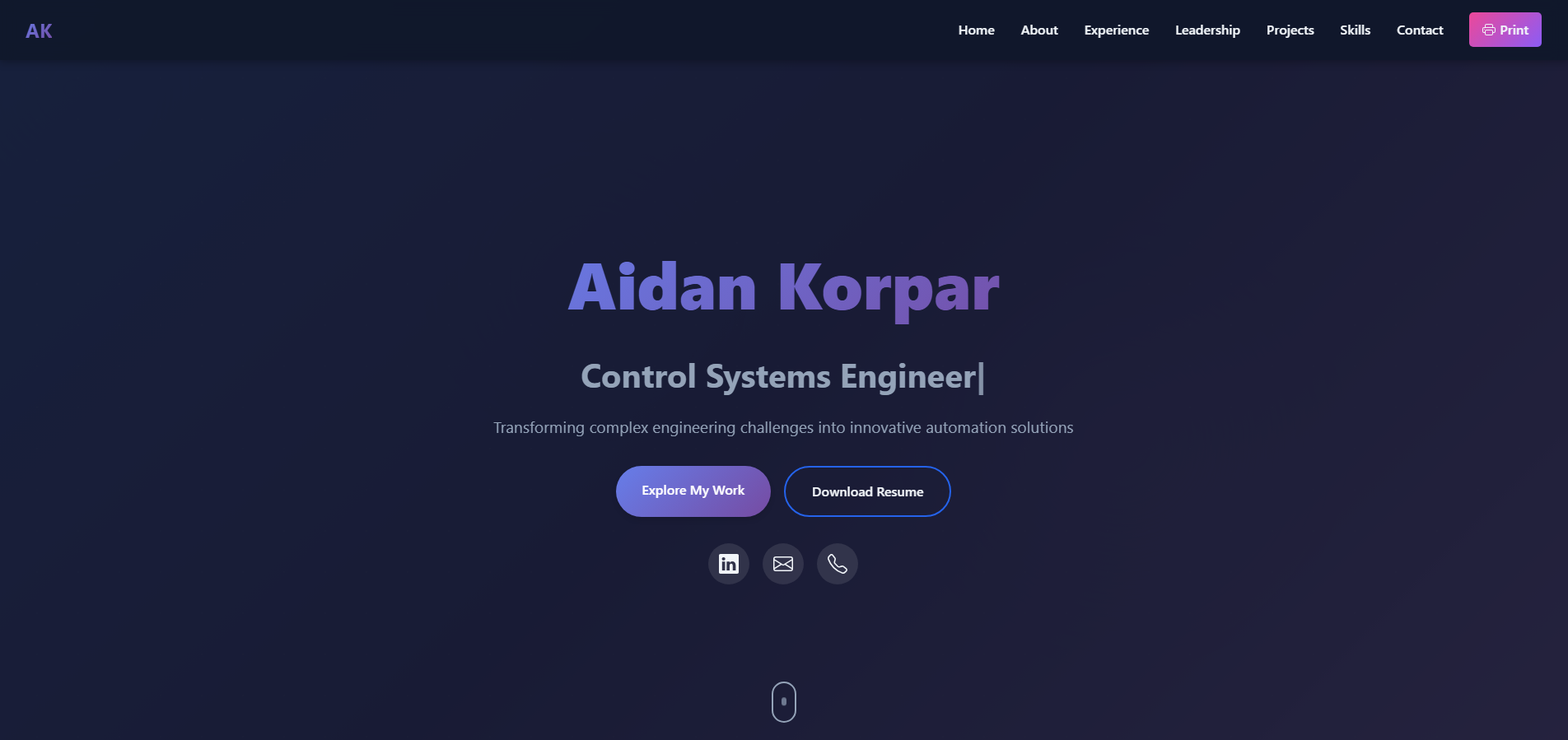
Transforming complex engineering challenges into innovative automation solutions
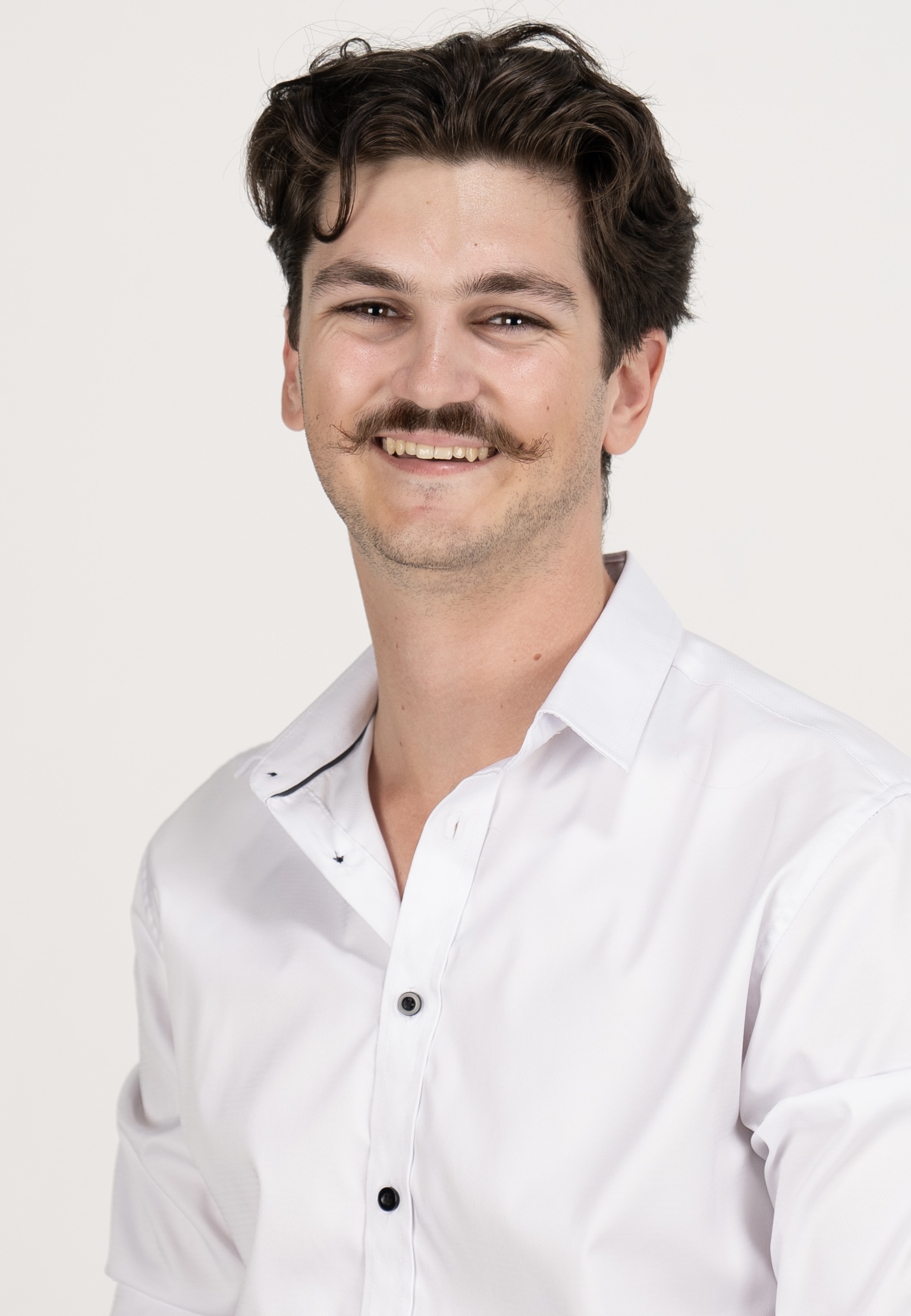
I am a Control Systems Engineer with a Bachelor's degree in Mechatronic Engineering. My professional expertise lies in PLC programming, robotics, CAD design, and automation solutions.
I thrive on solving complex engineering challenges and leading teams to successful outcomes. My hands on experience includes programming automated manufacturing lines, troubleshooting existing systems, and developing innovative solutions in warehousing and industrial automation.
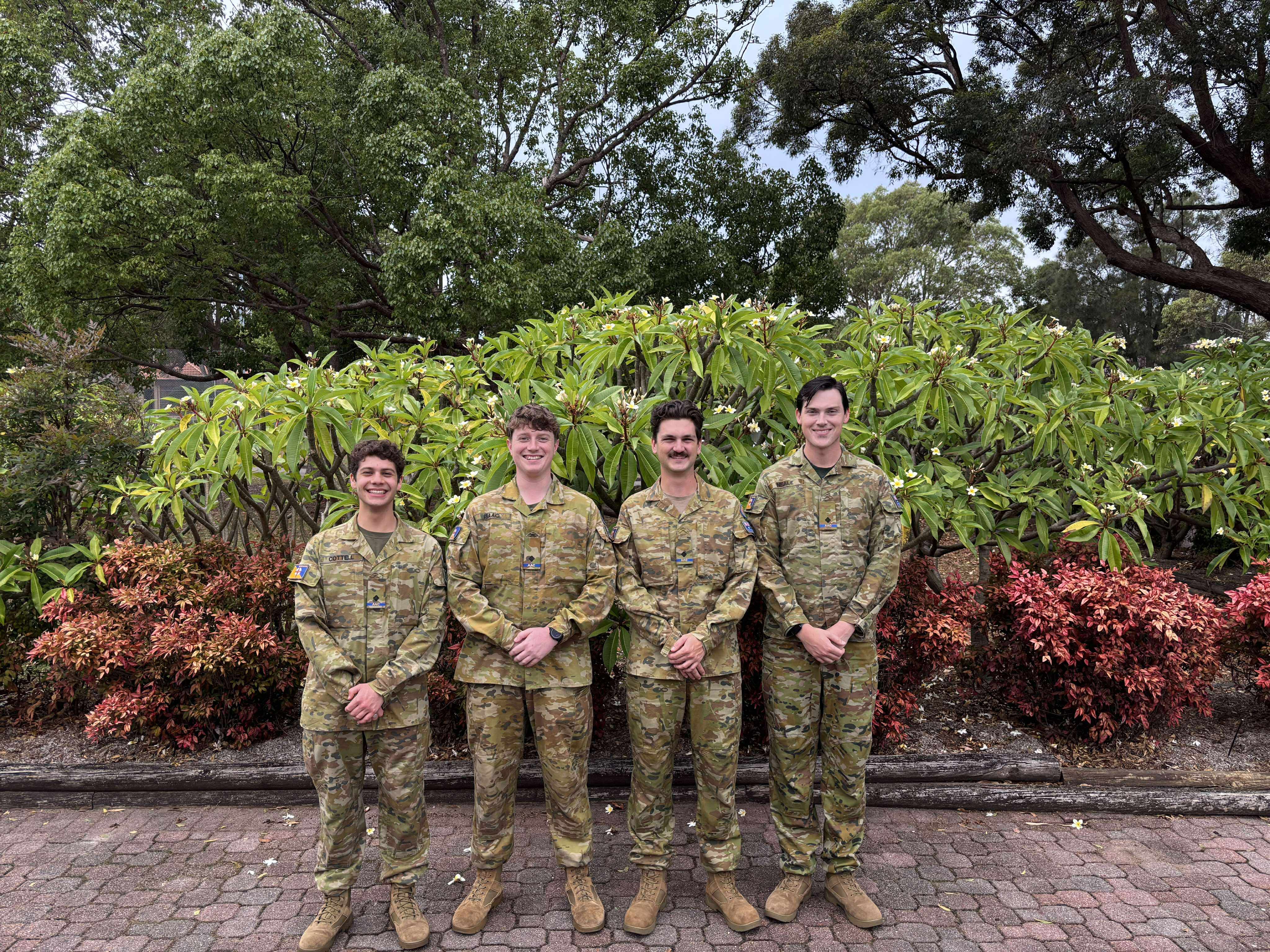
Beyond my technical capabilities, I have taken on leadership roles as a youth development instructor with the Army Cadets and as the founder, events director, and president of a university engineering society. These experiences have sharpened my ability to guide teams, foster collaboration, and communicate effectively.
As a Process and Automation Engineer at Patrick Terminals, I work across a broad range of functions, collaborating with individuals and teams at every level. My role spans from hands on technical support and troubleshooting of our automated systems, including Automated Rail Mounted Gantries (ARMGs), AutoStrads, and auto cranes, to contributing to proposals and planning for future automation projects.
A significant part of my work involves data analysis, using it to identify deficiencies in our operations and drive measurable improvements in efficiency across the yard. I take findings from that analysis and translate them into practical steps that teams can act on.
I am also involved in the risk and safety analysis of upcoming projects, helping to ensure that new developments are assessed thoroughly before implementation. On larger, more complex projects I have contributed to the coordination side as well, including developing file management frameworks for multi phase projects where multiple vendors are working toward a shared outcome.
The role is fast moving and varied, and I thrive in that environment. Each project and challenge brings something different, and I enjoy adapting quickly, finding solutions, and contributing wherever I can across the operation.
Interactive Streamlit Sankey dashboard for tracing container movements through the terminal with live filtering and flow analytics.
Port Container Flow Visualisation is an interactive web application built to analyse how shipping containers move through a port terminal from vessel discharge, through the yard, and out via truck or rail, as well as the reverse flow for outbound loads.
The live demo is published on Streamlit Community Cloud and uses entirely synthetic sample data, so it can be embedded publicly on a personal website without exposing any operational databases or company credentials.
The dashboard presents the container journey as a Sankey flow diagram, making it easy to see which berths, yard blocks, vessels, and transport modes drive the most volume, where re-handles occur, and where movement sequences contain data gaps.
From June 2022 to March 2026, I worked at Crossmuller as a Control Systems Engineer, gaining hands on experience across multiple industrial automation projects. My work involved PLC programming using Siemens TIA Portal, Factory Acceptance Testing (FAT), and the integration and programming of Fanuc industrial robots. I contributed to the design, programming, troubleshooting, and commissioning of automated warehousing systems and manufacturing lines, with a focus on improving reliability and efficiency.
Through this role, I have developed both technical and professional competencies, particularly in managing multiple concurrent projects and maintaining structured documentation. Tracking tasks and documenting design decisions have allowed seamless transitions between projects and improved collaboration during handovers. Guidance from experienced colleagues has also helped refine my documentation and workflow practices, improving both technical clarity and project efficiency.
Full laminating line digital twin for FAT-ready PLC validation across 12 networked PLCs before hardware arrives on site.
This project delivered a full Emulate3D simulation of the Laminating Line at the Mount Gambier site, spanning approximately 12 PLCs communicating with each other.
The virtual twin was configured to spawn and despawn product with real time timing and physics while running live PLC code, allowing complete Factory Acceptance Testing (FAT) before hardware arrived on site.
Fanuc robot programming for glut handling on a strapping line with vision-based height scanning and Profinet PLC integration.
My most recent work involved programming a Fanuc robot for use as a glut handling robot on a strapping line at a new factory. The robot was designed to pick gluts from a stillage by scanning for the next heights glut in the stillage and then adjusting its pick position accordingly before picking the glut and then moving to the strapper channel to place the glut.
I was responsible for programming the robot's pick, place, movement and scanning sequences to detect glut locations within the stillage, as well as configuring communication between the robot and the Siemens PLC via Profinet. The robot was programmed using ls and tp code with some karel functions for more complicated sections. Fanuc Roboguide was used to simulate and test the robot before Factory Acceptance Testing (FAT) was started. This was performed within the factory where I was able to verify motion sequences, and troubleshoot integration issues between the robot, PLC, and line control systems along with testing the new SCADA interface.
This project strengthened my understanding of industrial robotics, detection logic, and robot to PLC communication protocols. It also reinforced the importance of structured testing, clear fault diagnosis, and collaboration across engineering disciplines during commissioning.
Automated manufacturing cell for flipping laminated boards with end-to-end control system programming, safety integration, and commissioning.
One of the projects I completed from initial programming through to commissioning and customer handover was the Pack Turning Cell. This automation cell was added onto an existing manufacturing line to automatically flip one sided laminated boards to prevent bowing during storage and transport. This was the first project where I was solely responsible for the control system.
During this project, I gained extensive experience with drives, motors, and sensors, as well as practical understanding of machine safety standards including the implementation of light curtains and emergency stop systems. I also worked on multi-PLC communication to safely coordinate between production lines.
Commissioning presented several challenges that required patience and problem-solving. From debugging minor logic errors to recovering sensor calibration losses caused by PLC memory faults, each issue provided valuable lessons in troubleshooting under pressure. Despite an incident that resulted in damage to a safety fence and light curtain, corrective actions and collaboration with on-site teams ensured the line was restored without impacting production. The experience emphasised the value of perseverance, strong documentation, and clear communication during live commissioning.
Commencing April 2026.
Interactive Streamlit dashboard for analysing container movement through a port terminal using a Sankey flow diagram, live filters, and analytics.
The demo runs publicly on Streamlit Community Cloud with synthetic sample data, allowing the interface to be embedded on a personal website without any database dependency or operational credentials.
June 2022 to March 2026.
My most recent work involved programming a Fanuc robot for use as a glut handling robot on a strapping line at a new factory. The robot was designed to pick gluts from a stillage and place them into a stripper channel for reuse in packaging operations.
I was responsible for programming the robot's pick, place, and scanning sequences to detect glut locations within the stillage, as well as configuring communication between the robot and the Siemens PLC via Profinet. I performed Factory Acceptance Testing (FAT) within the factory, verified motion sequences, and troubleshot integration issues between the robot, PLC, and line control systems.
This project strengthened my understanding of industrial robotics, vision based detection, and robot to PLC communication protocols. It also reinforced the importance of structured testing, clear fault diagnosis, and collaboration across engineering disciplines during commissioning.
One of the projects I completed from initial programming through to commissioning and customer handover was the Pack Turning Cell. This automation cell was added onto an existing manufacturing line to automatically flip one sided laminated boards to prevent bowing during storage and transport. This was the first project where I was solely responsible for the control system.
During this project, I gained extensive experience with drives, motors, and sensors, as well as practical understanding of machine safety standards including the implementation of light curtains and emergency stop systems. I also worked on multi-PLC communication to safely coordinate between production lines.
Commissioning presented several challenges that required patience and problem-solving. From debugging minor logic errors to recovering sensor calibration losses caused by PLC memory faults, each issue provided valuable lessons in troubleshooting under pressure. Despite an incident that resulted in damage to a safety fence and light curtain, corrective actions and collaboration with on-site teams ensured the line was restored without impacting production. The experience emphasised the value of perseverance, strong documentation, and clear communication during live commissioning.
Full simulation of the Laminating Line at the Mount Gambier site, spanning approximately 12 PLCs communicating with each other.
The virtual twin spawned and despawned product with real time timing and physics while running live PLC code, allowing full FAT testing before hardware arrived on site.
As a 2nd Lieutenant and Company Directing Staff, I lead and mentor over 100 cadets and 3 staff members, ensuring their safety and fostering a supportive environment for their development. My role involves teaching leadership, teamwork, and technical skills, while guiding cadets through challenging environments to build confidence and practical abilities. I design engaging lessons, supervise activities and camps, and uphold high standards of discipline and professionalism, preparing cadets for future success.
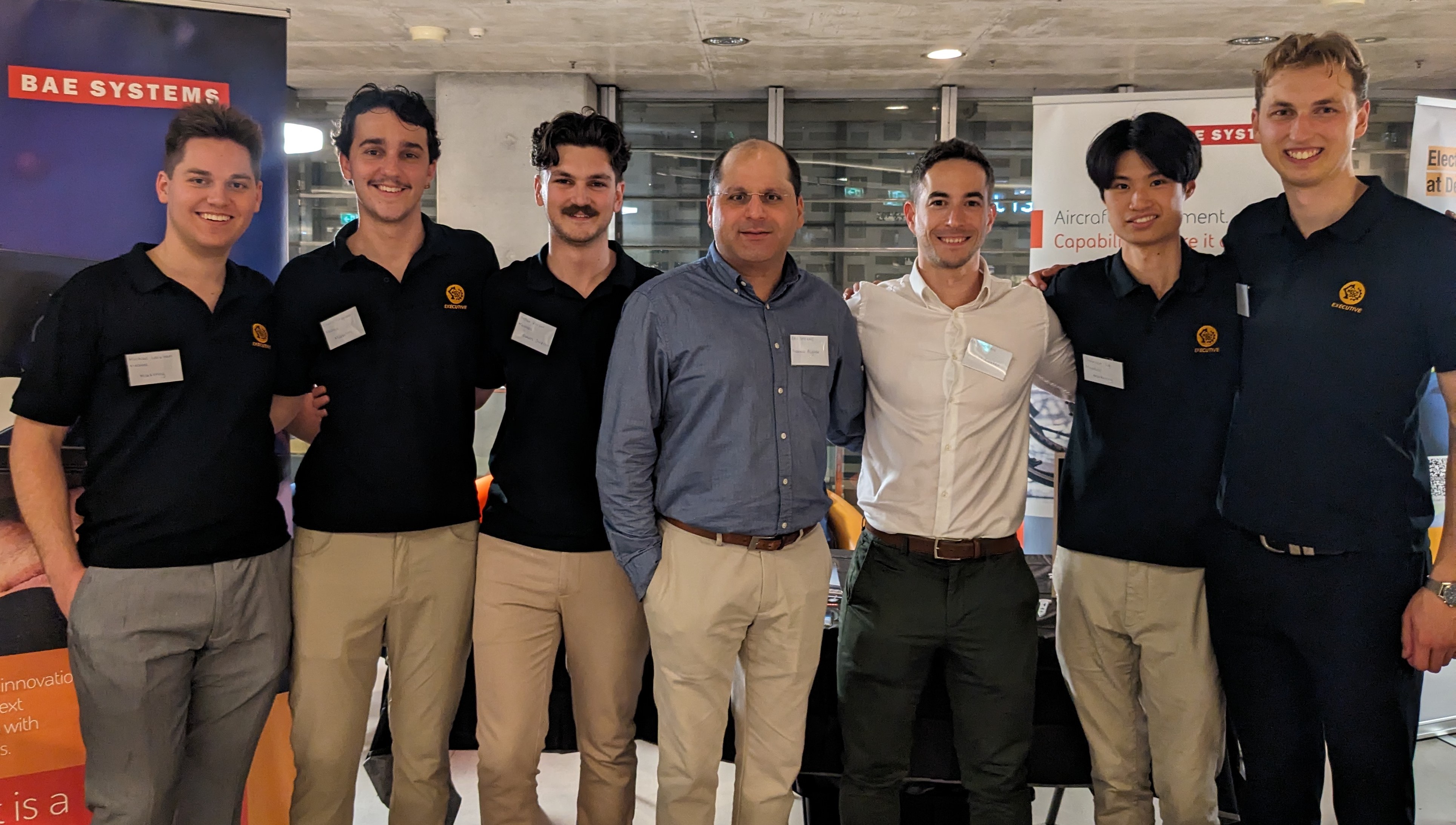
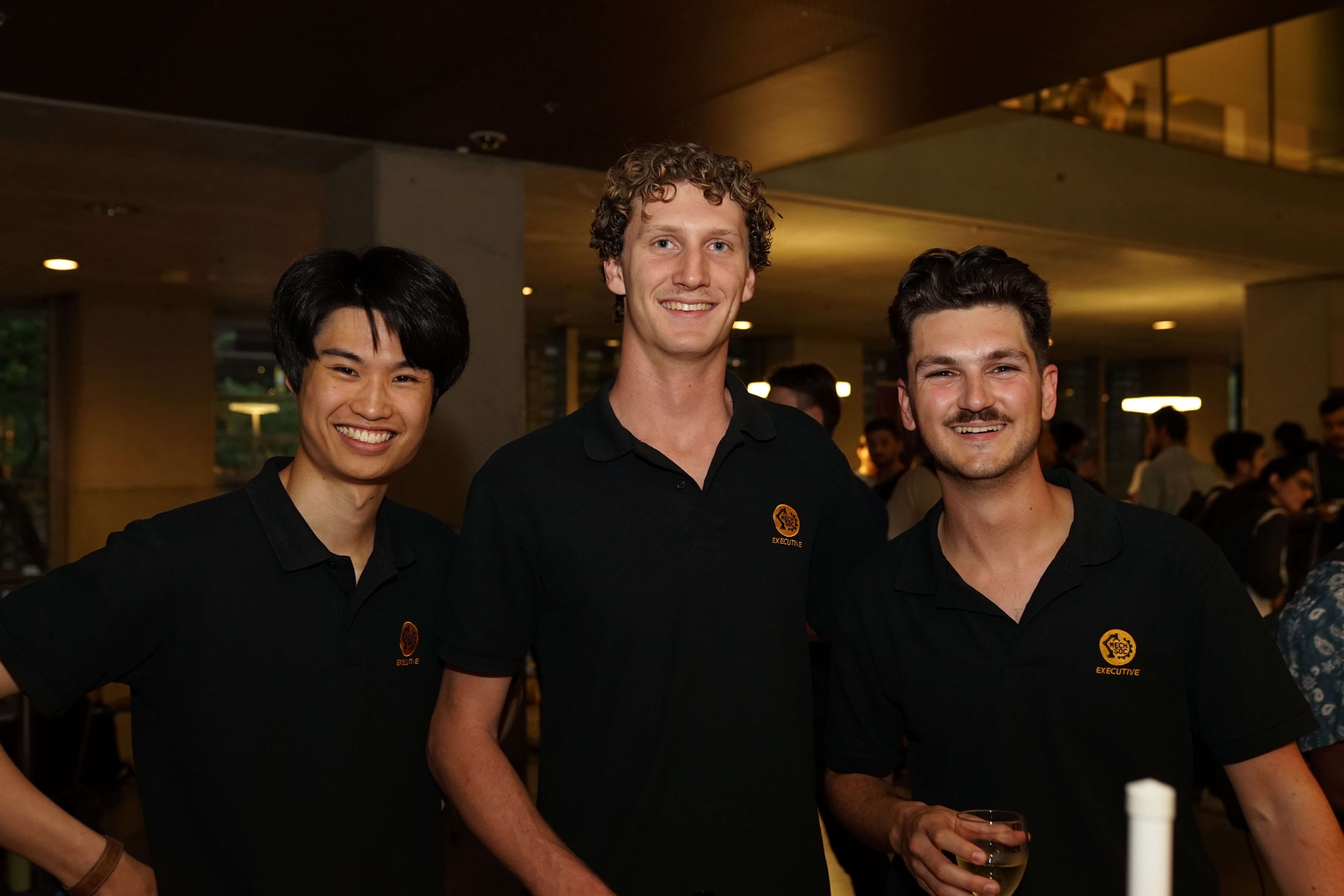
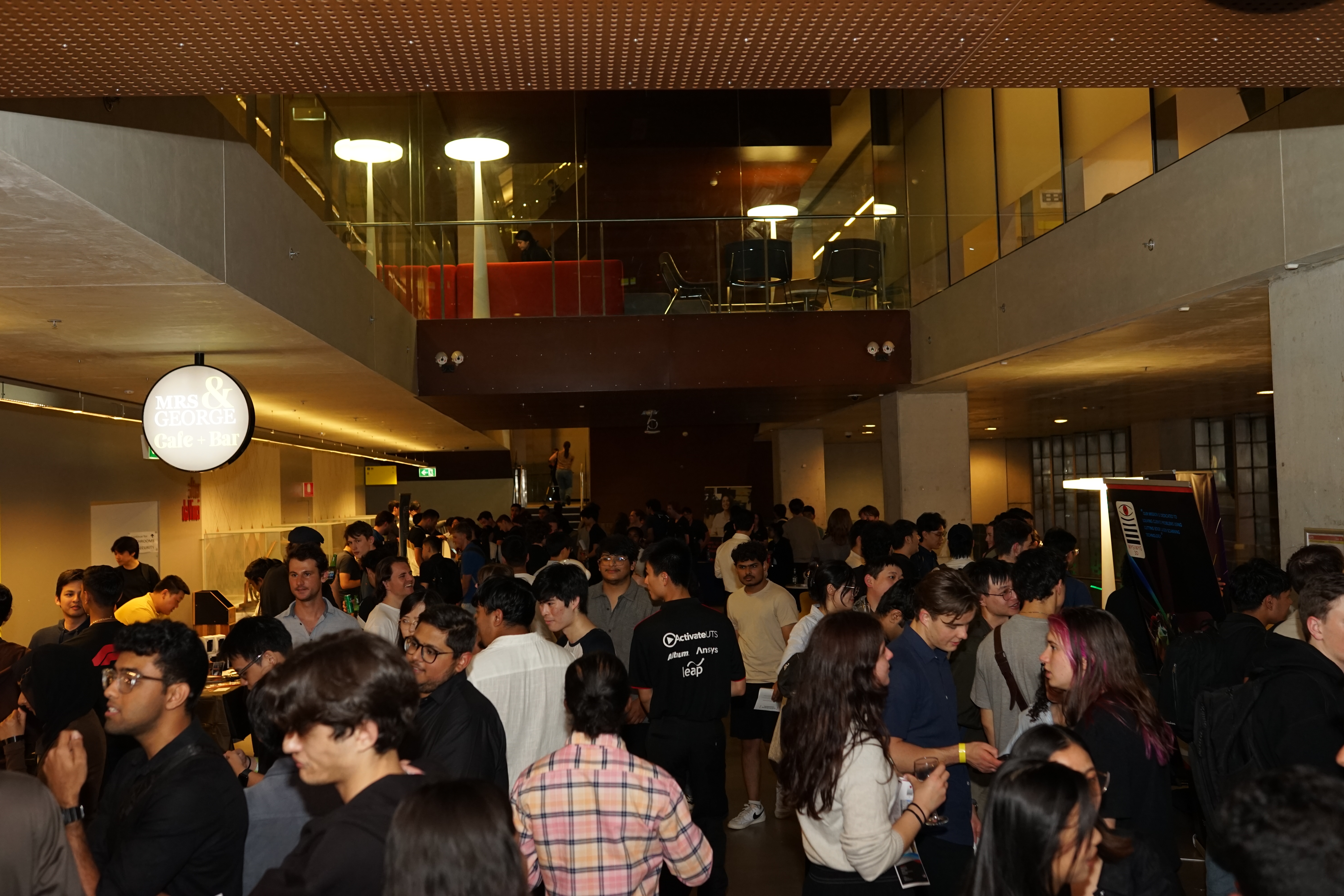
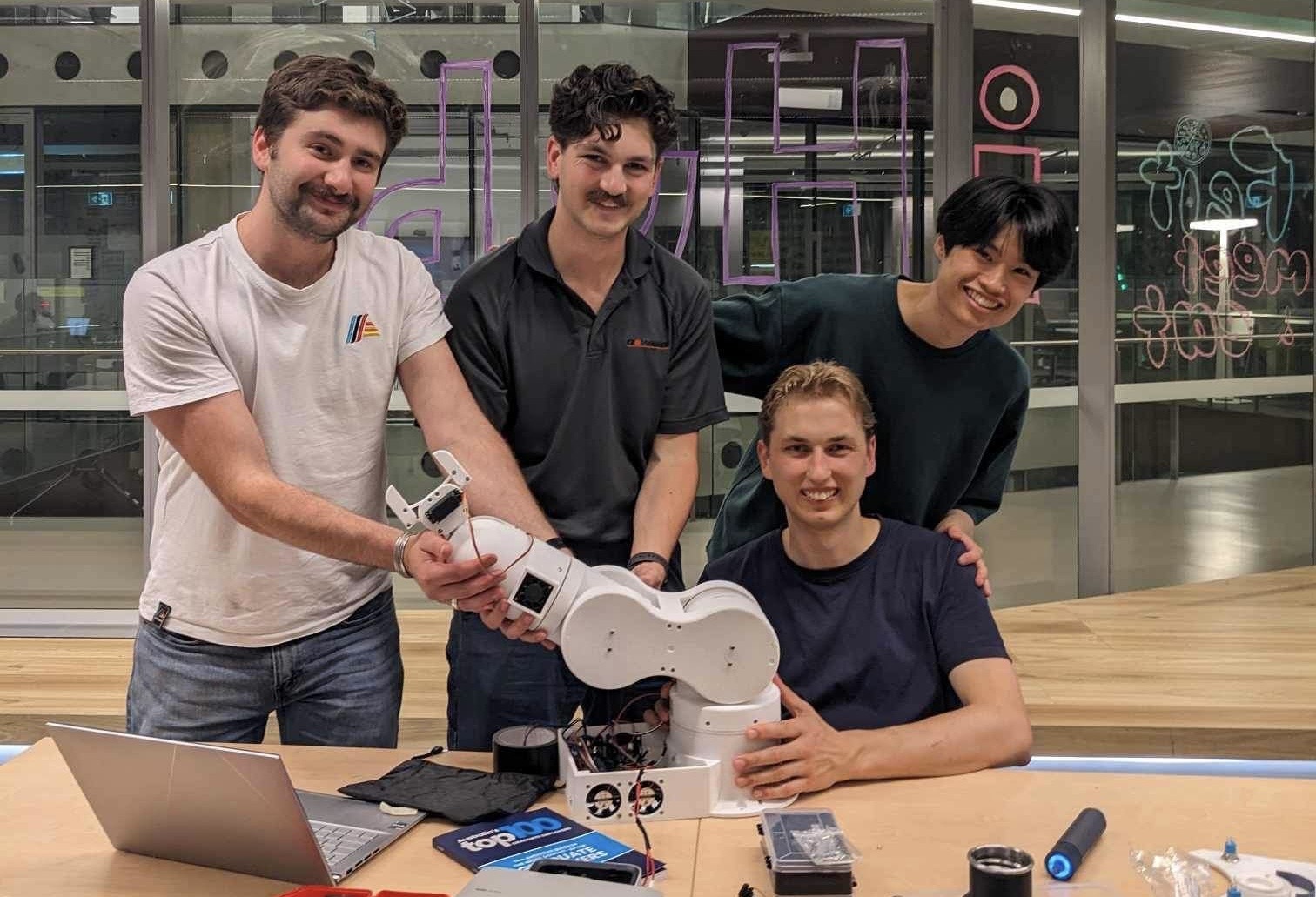
During my time at university, I founded UTS MechSoc after identifying a gap in student engagement within mechanical and mechatronic engineering. The society attracted over 400 members in its first year. I led the creation of major initiatives such as an industry networking night with over 300 attendees, strengthening relationships between students and industry professionals.
As the President, I led a 20-member executive team focused on sustainable growth and deeper engagement. Under my leadership, membership grew by 45% from 418 to 608, with a healthy 22% retention rate. We ran 62 events with a combined reach of over 500 unique registrants and an average of 51 attendees per event, maintaining a strong 97% UTS student participation rate.
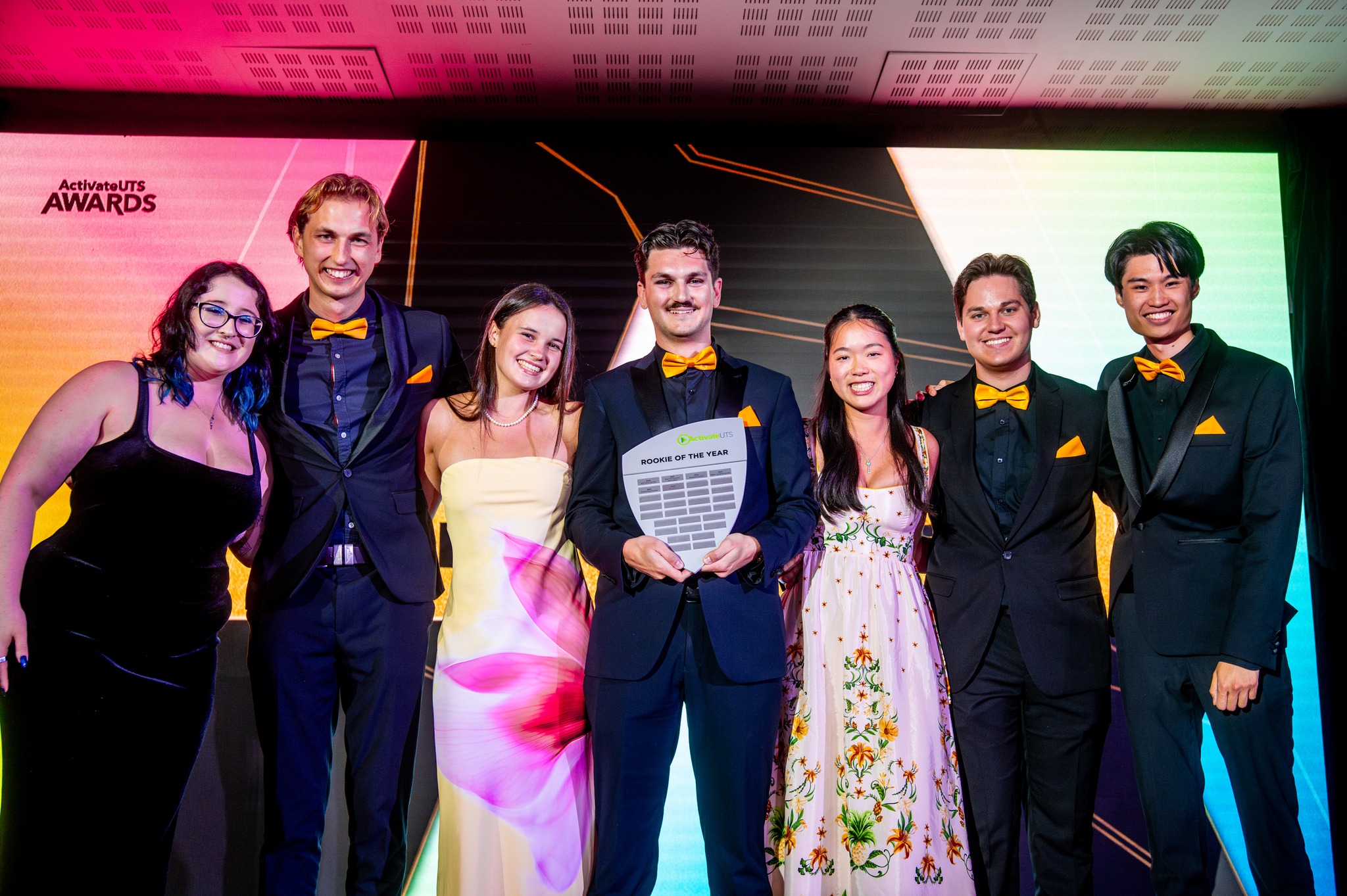
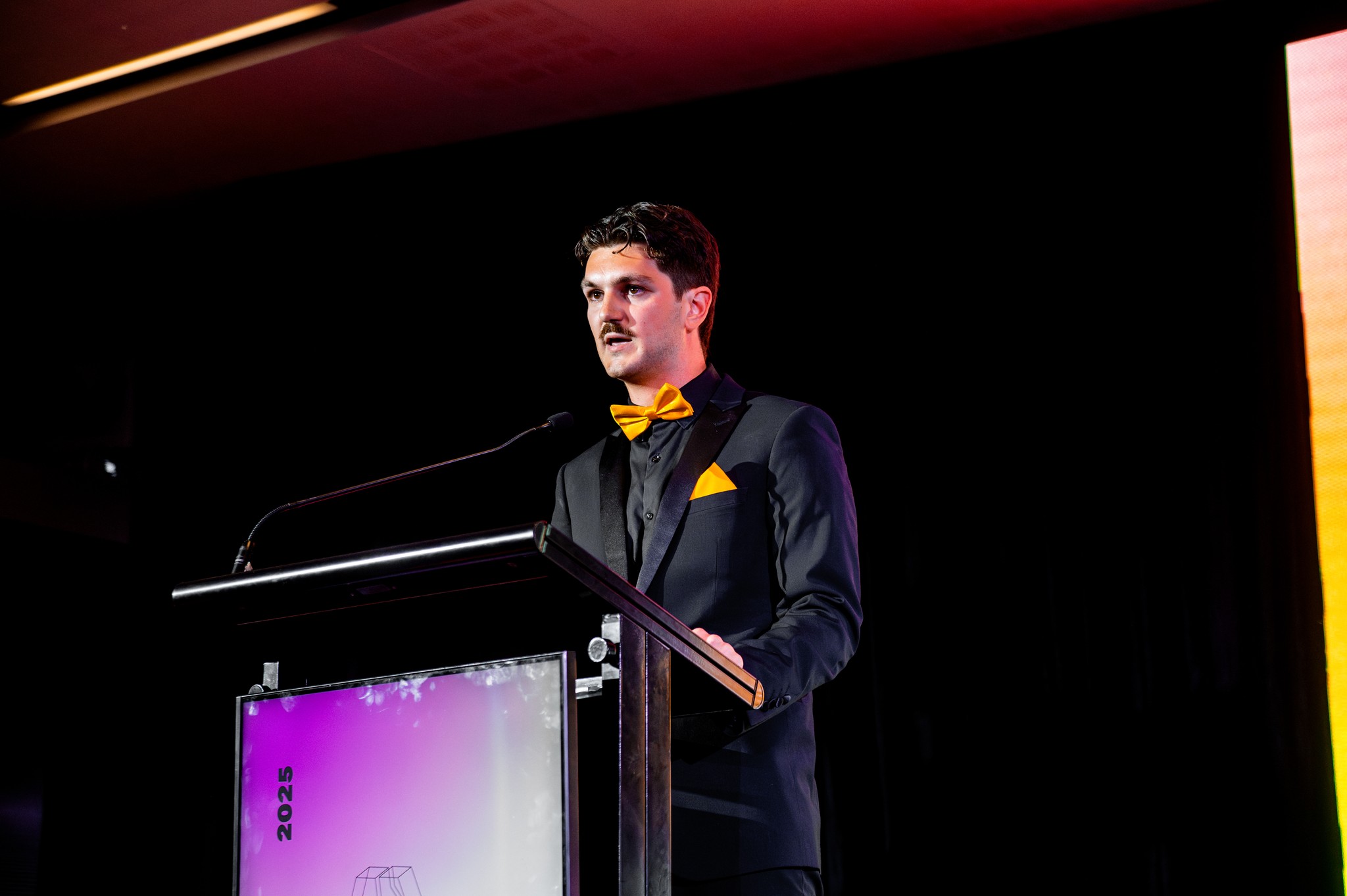
In 2025, MechSoc was awarded Rookie of the Year, recognising it as the most successful club within its first two years at UTS. This achievement validated the foundation we built and the culture of excellence we fostered, demonstrating the impact of strategic leadership and member focused initiatives.
I emphasised collaboration, strategic planning, and member development, ensuring every executive had defined responsibilities aligned with their strengths. These efforts built a culture of accountability and innovation, reflected in consistently high event attendance, balanced engagement across activities, and long-term member loyalty.
This role refined my leadership, stakeholder engagement, and data driven decision making skills, which have proven essential in guiding teams toward measurable impact in my professional career.
I'm always interested in new opportunities and collaborations. Feel free to reach out!
Download Resume